

Klinika dla Małych Zwierząt Wąsiatycz Rehabilitation
-
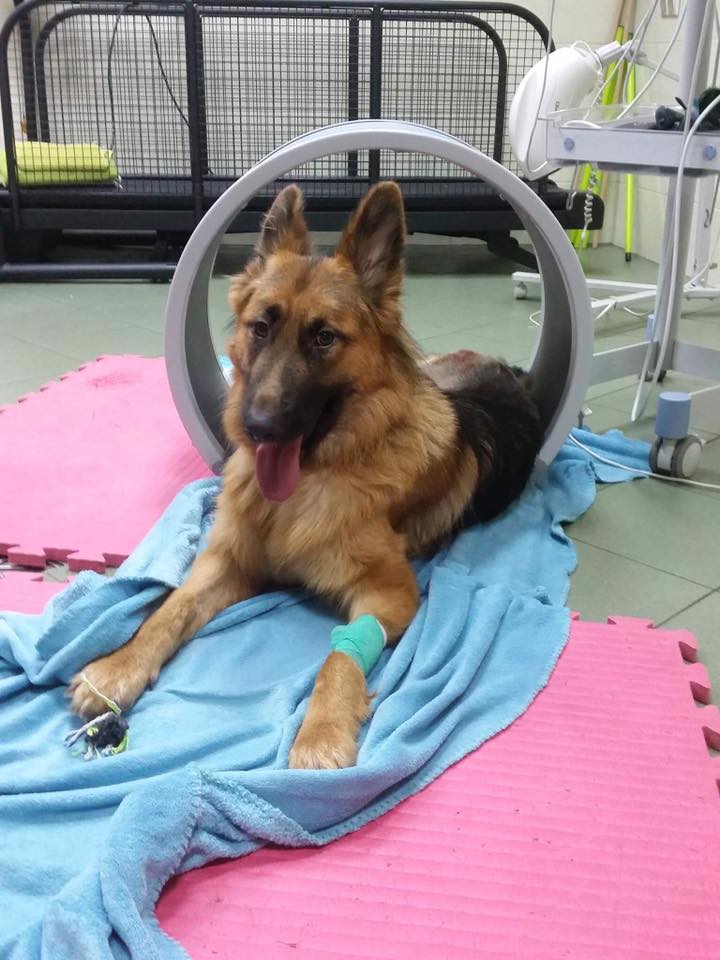
Providing rehabilitation care for animals supports and complements treatment by veterinarians.
-
Department of Rehabilitation and Obesity Treatment
In March 2010, the first Department of Animal Rehabilitation and Obesity Treatment in Greater Poland was opened in our Clinic.
In Poland and around the world, rehabilitation plays a very important role in the prevention and treatment of many neurological and orthopedic diseases. Until recently used only in humans, in recent years it has also been appreciated among veterinarians. With the rapidly developing treatment possibilities for our pets, rehabilitation plays an equally important role. There is talk of the integrity and comprehensiveness of treatment, which includes pharmacological, surgical, and rehabilitative treatment.
Goals of rehabilitation:
1. Ensuring the animal has an optimal level of functioning, with maximum reduction of pain or inflammation;
2. Improving the animal's physical condition;
3. Improving the function of individual organs;
4. Increasing the comfort of life;
5. Shortening the duration of treatment.
Meeting the needs of your animals, we offer our knowledge and all necessary devices and instruments to help your Pets. Ask your veterinarian for a referral for rehabilitation and schedule your first meeting with our physiotherapist today (phone number: 519 446 152).
Download the referral for rehabilitation
All rehabilitation activities are conducted by a qualified team of physiotherapists and, if necessary, under the supervision of a veterinarian!
-
Rehabilitation Process
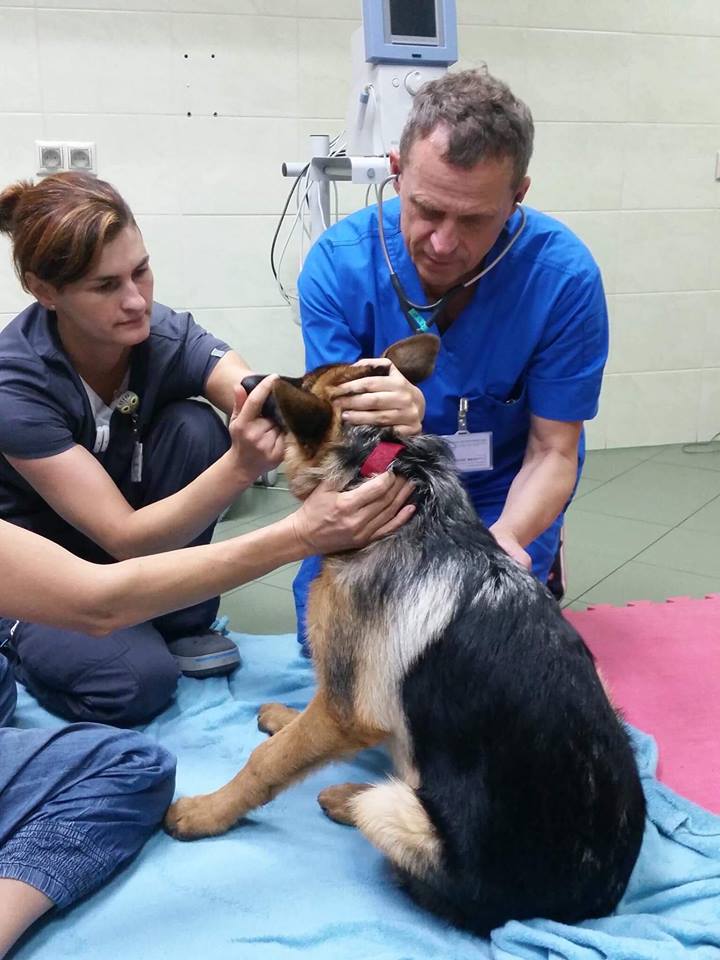
The rehabilitation process in our facility includes kinesitherapy activities, physical treatments, and owner education.
During the first visit, our physiotherapist will:
- Conduct an interview with you regarding the Animal's disease and its course;
- Examine the Pet from a physiotherapeutic perspective;
- Establish short- and long-term rehabilitation goals with you;
- Establish a rehabilitation plan (based on indications and contraindications for a given treatment), which will be implemented during subsequent visits;
- Teach you how to exercise with the animal at home;
- Provide advice on how to handle a sick or disabled animal;
- Establish a cost estimate for the entire rehabilitation process with you.
During subsequent visits, the therapist will proceed according to the established plan and check the correctness of the exercises performed by you. Sometimes it happens that the plan will have to be modified for various reasons—for example, the animal may not tolerate a certain type of treatment or may quickly become bored during an exercise.
-
Admission Policy
Appointments must be scheduled by phone. Phone: 519 446 152.
Due to the individual adjustment of treatment duration to the Patient's needs, reservation is mandatory.
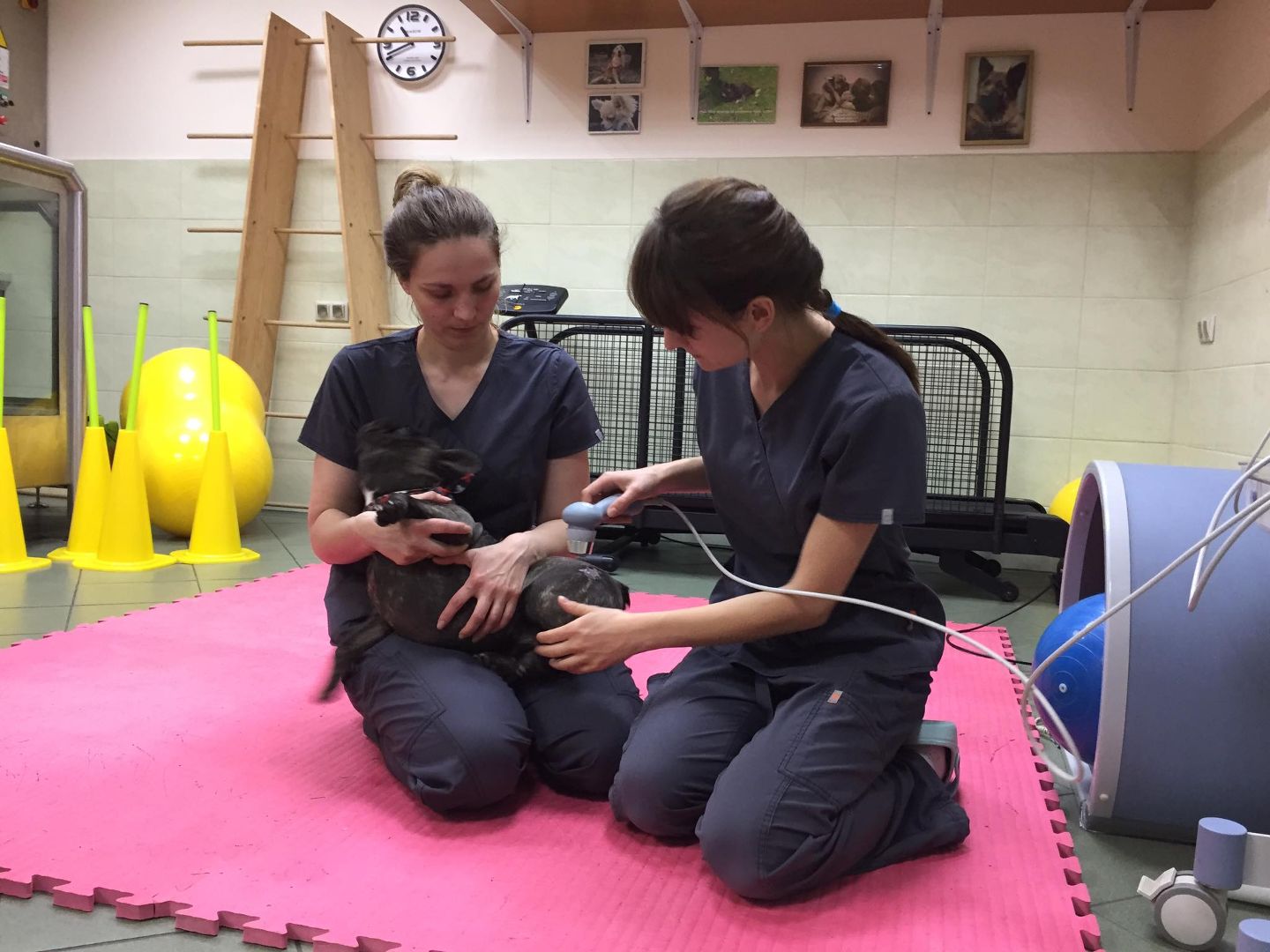
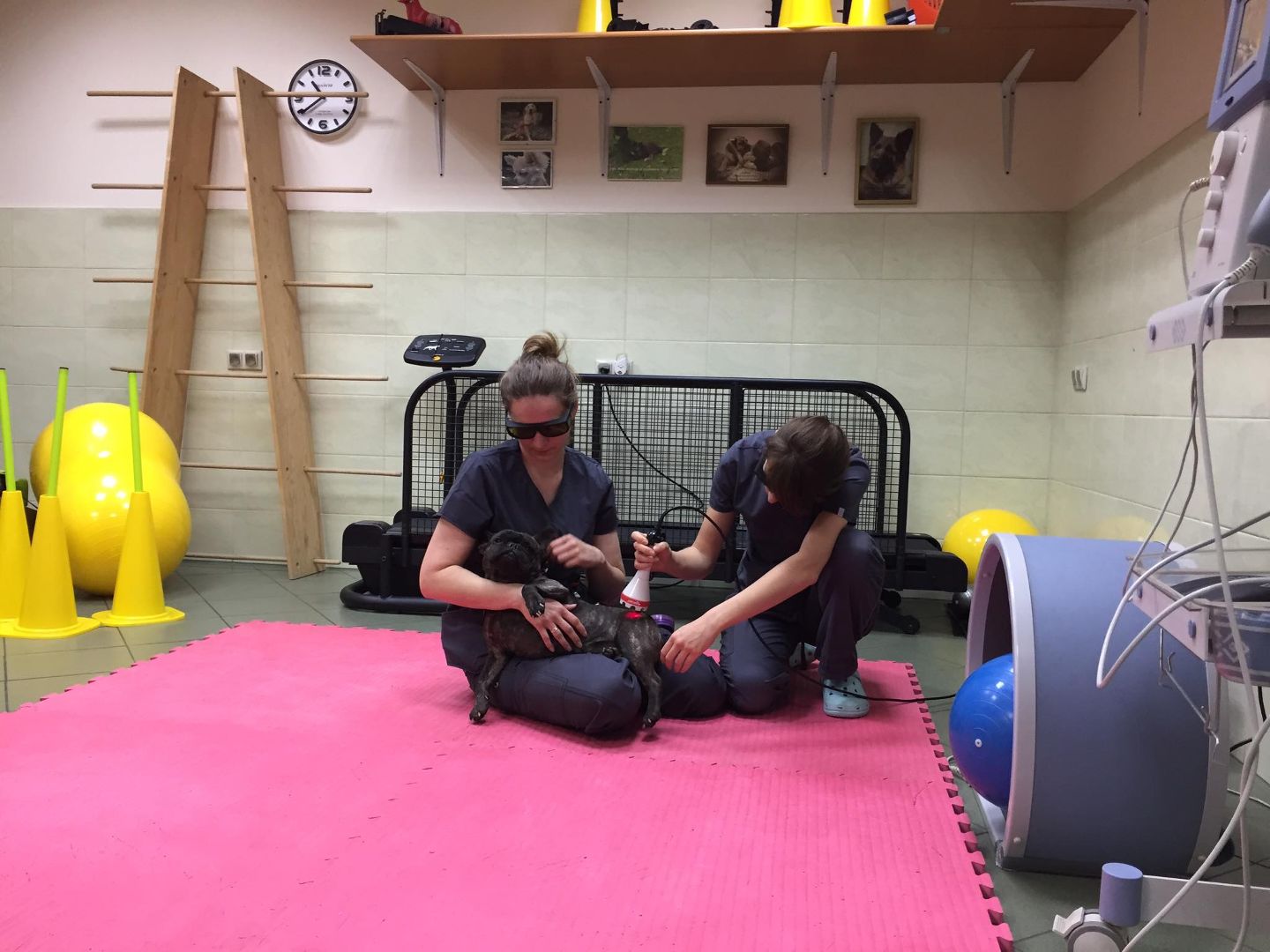
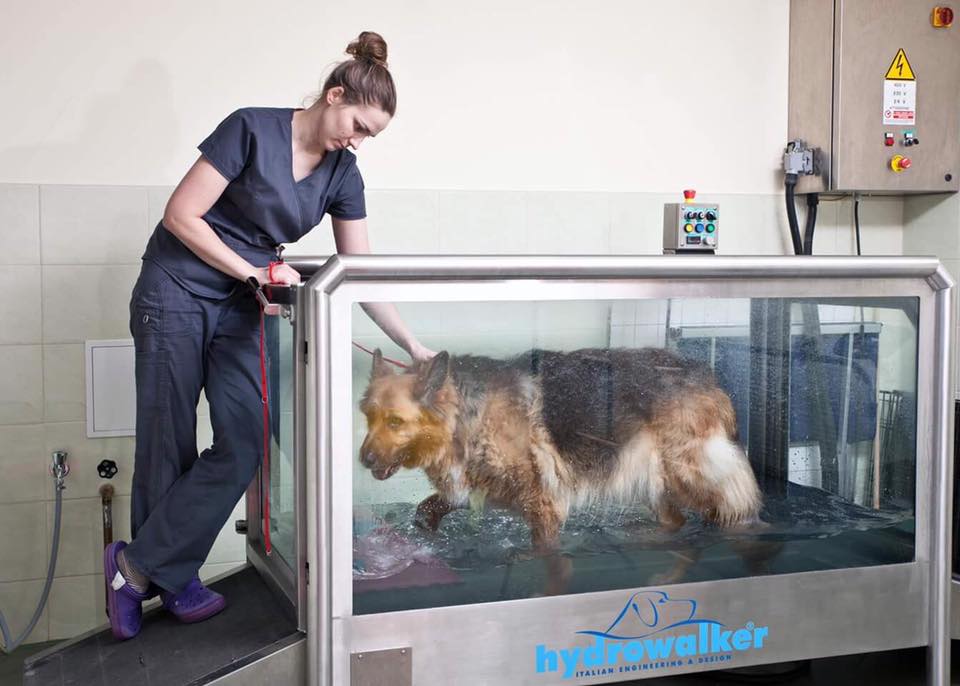
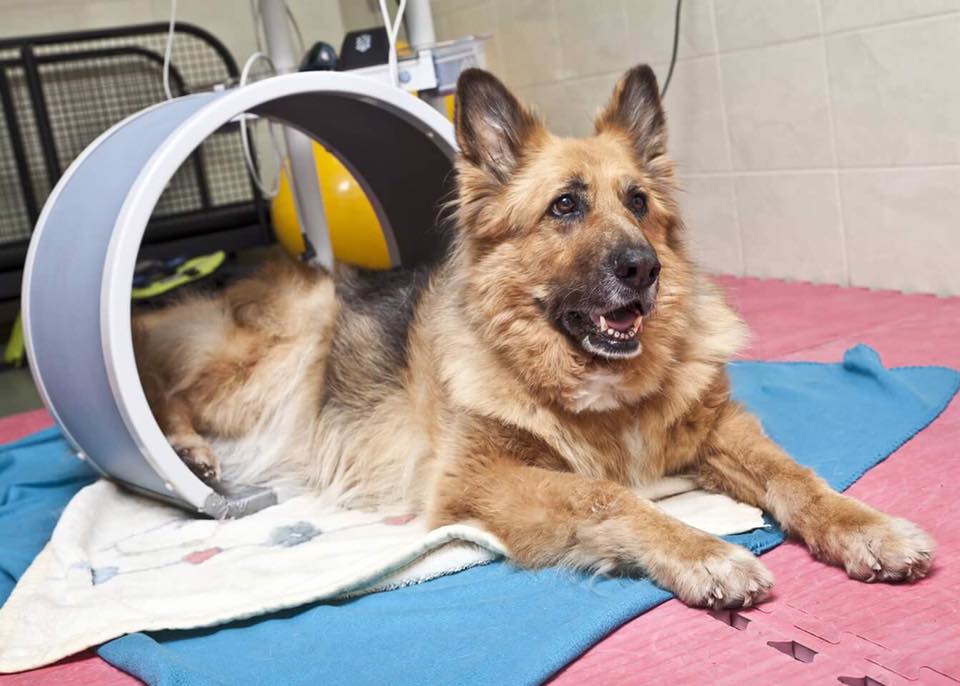
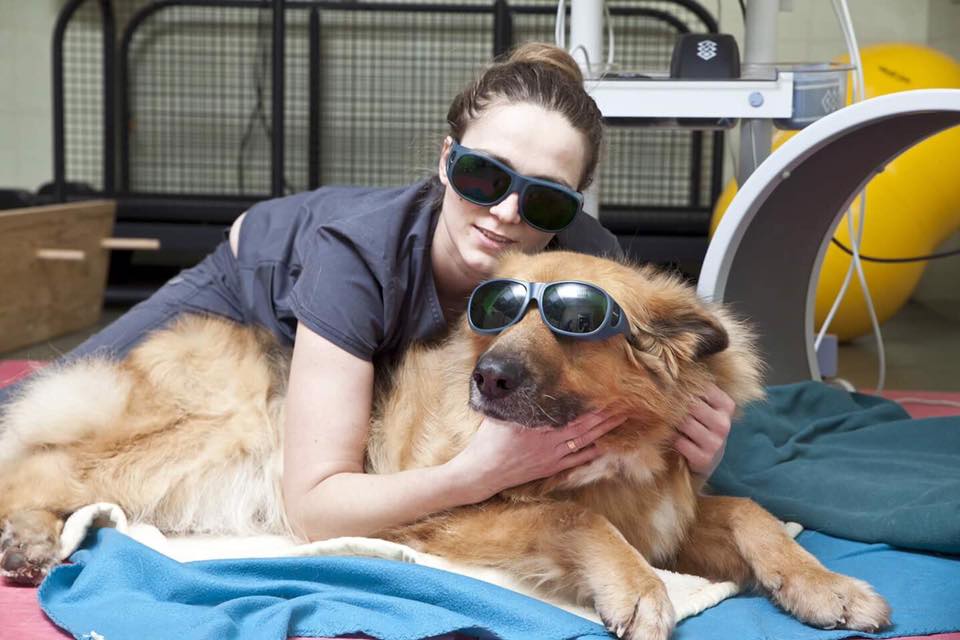
Individual selection of treatments and pricing takes place after the physiotherapist reviews the medical history, examines the animal, and conducts an interview with the Owner. We offer the following services: electrotherapy, magnetotherapy, laser therapy, ultrasound therapy, polarized light therapy, thermotherapy, dry and underwater treadmills, as well as massage and exercises.
We do not use pharmacological sedatives during treatments. We ask that aggressive dogs be provided with a muzzle.
We ensure friendly and professional service as well as appropriate sanitary conditions. All equipment is regularly disinfected after each treatment.
During physiotherapeutic treatments, the Owner is asked to remain with the dog/cat for the entire duration of the procedure.
-
Wąsiatycz Rehabilitation – Professional Animal Rehabilitation at Wąsiatycz Small Animal Clinic in Poznań
Rehabilitation with heart, knowledge, and modern technology
Our Team
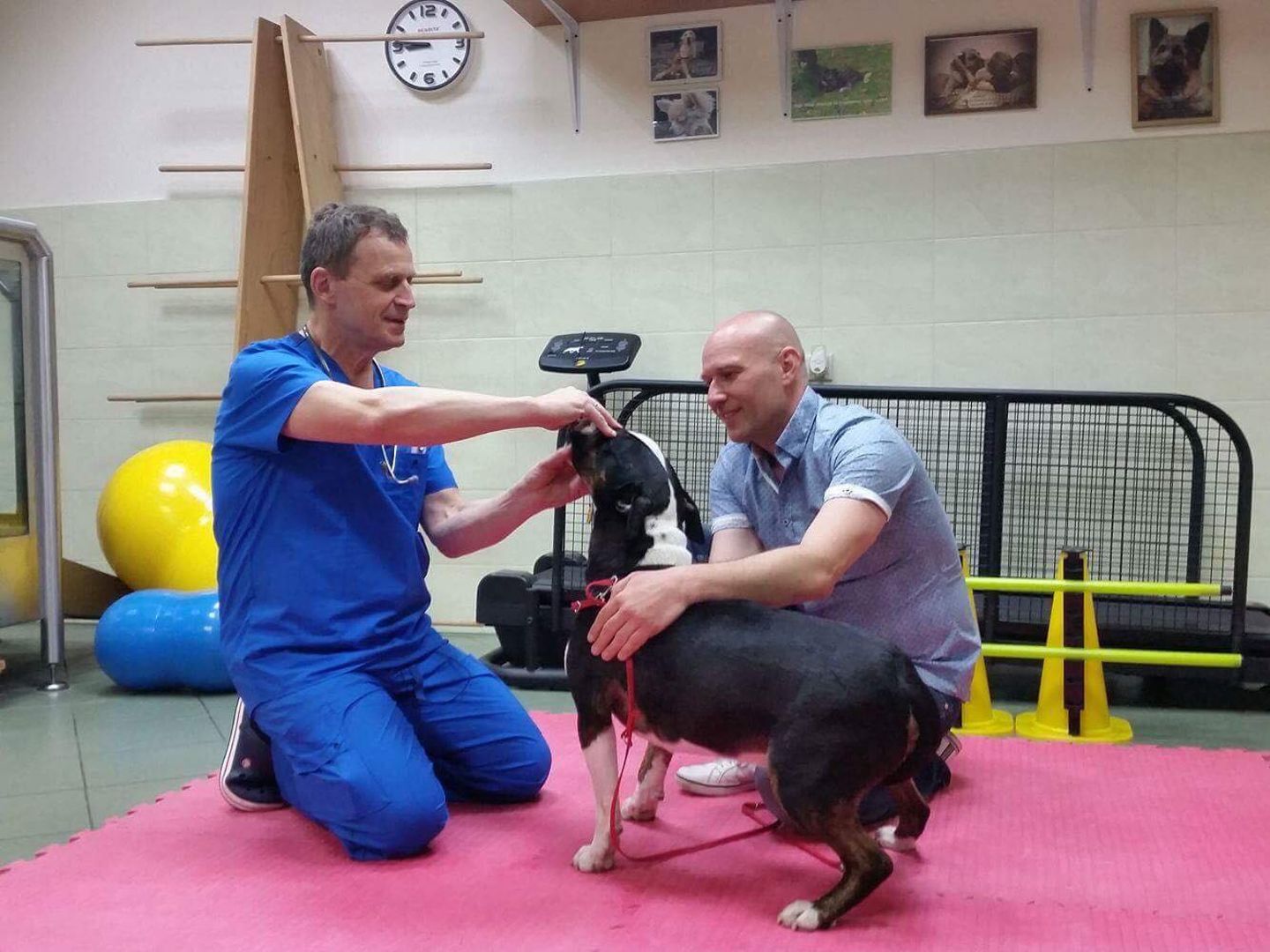
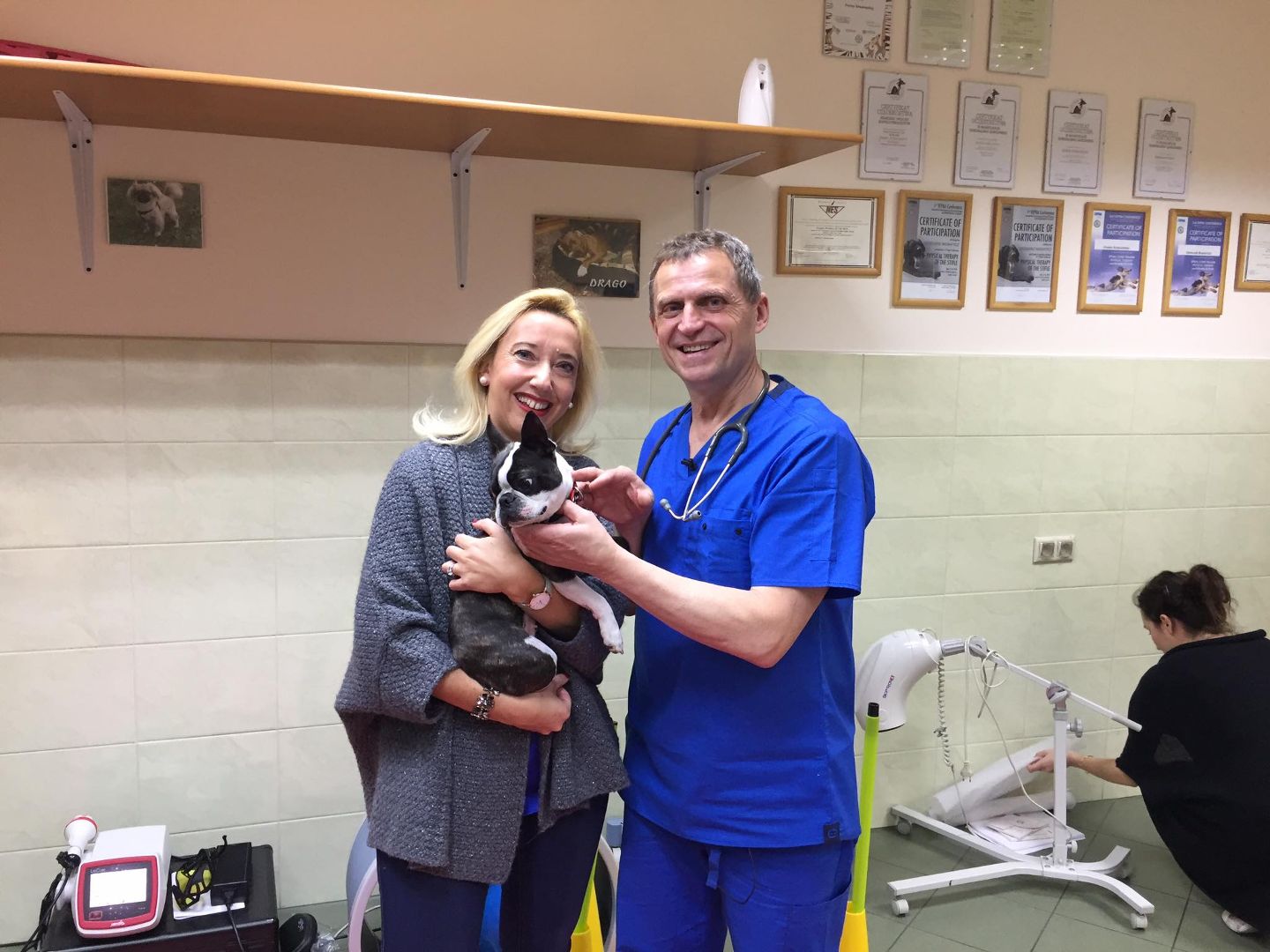
We are a team of animal physiotherapists who are also veterinary technicians, constantly developing our competencies. We manage each patient individually, with respect for their pace, character, and needs.
We collaborate permanently with orthopedists and neurologists, which is why we guarantee continuity of treatment, consultations, and real-time therapy modification.
The rehabilitation department in our Clinic is a place where we combine a passion for helping animals with modern veterinary physiotherapy. We help dogs and cats return to full functional capacity after injuries, surgeries, and neurological diseases – but we also care about prevention, fitness, and well-being.
Thanks to our many years of experience working with animals, we have a practical approach that translates into the effectiveness of therapy and an even better tailoring of methods to the individual needs of animals. Many owners have already trusted us, appreciating our commitment, knowledge, and care for the comfort of their pets.
We have created a space where care for the animal does not end with the procedure – it is only then that it begins.
Who do we support every day?
Our experience includes the rehabilitation of thousands of animals after complicated procedures and diseases. We help patients:
After orthopedic procedures:
- TTLO / TPLO (cruciate ligament reconstruction),
- Fractures (limbs, pelvis, spine),
- Femoral head and neck ostectomy (FHO),
- Patellar corrections (luxatio patellae),
- Joint dislocations and instability,
- Osteochondrosis (OCD),
- Hip and elbow dysplasia,
- Juvenile orthopedic diseases (e.g., panosteitis).
In neurological diseases:
- Discopathies and intervertebral disc diseases (IVDD),
- Rehabilitation after hemilaminectomy – we have specialized rehabilitation tracks and years of experience in managing these patients,
- Cauda Equina Syndrome (CES),
- Degenerative Myelopathy (DM),
- Spinal cord and brain diseases,
- Polyneuropathies – we have extensive experience in caring for dogs with chronic peripheral nerve diseases,
- Paresis and paralysis of limbs after injuries and surgeries.
How do we treat?
Specialized Equipment and Methods:
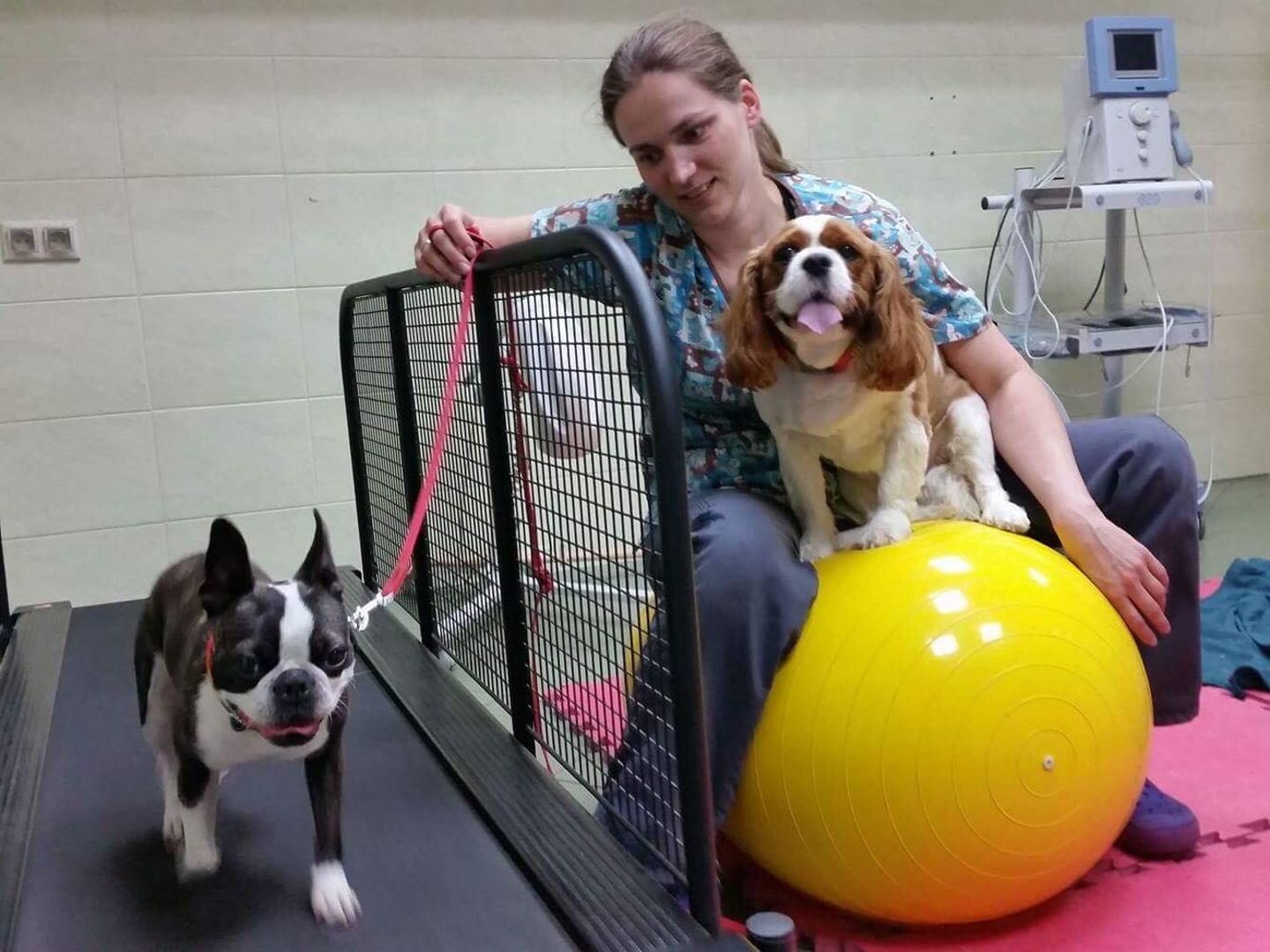
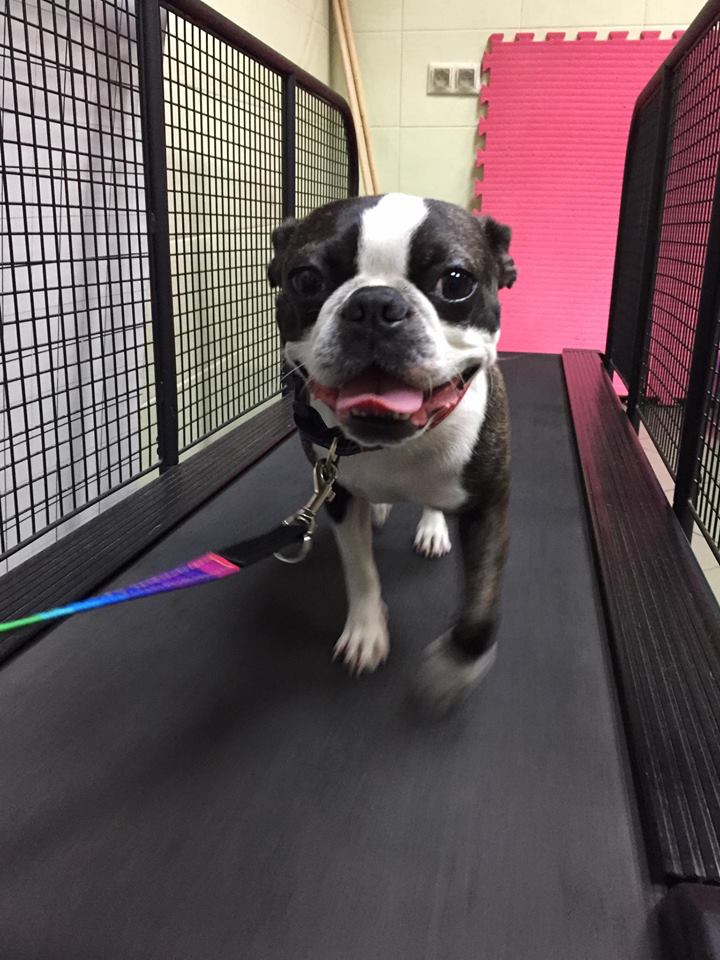
- Underwater Treadmill – gentle training for dogs with weakness, pain, or paresis.
- Dry Treadmill – controlled strength and conditioning training.
- Sensory Treadmill with Gait Analysis – precise diagnostics of movement biomechanics.
- Magnetic Field – supports regeneration and facilitates healing.
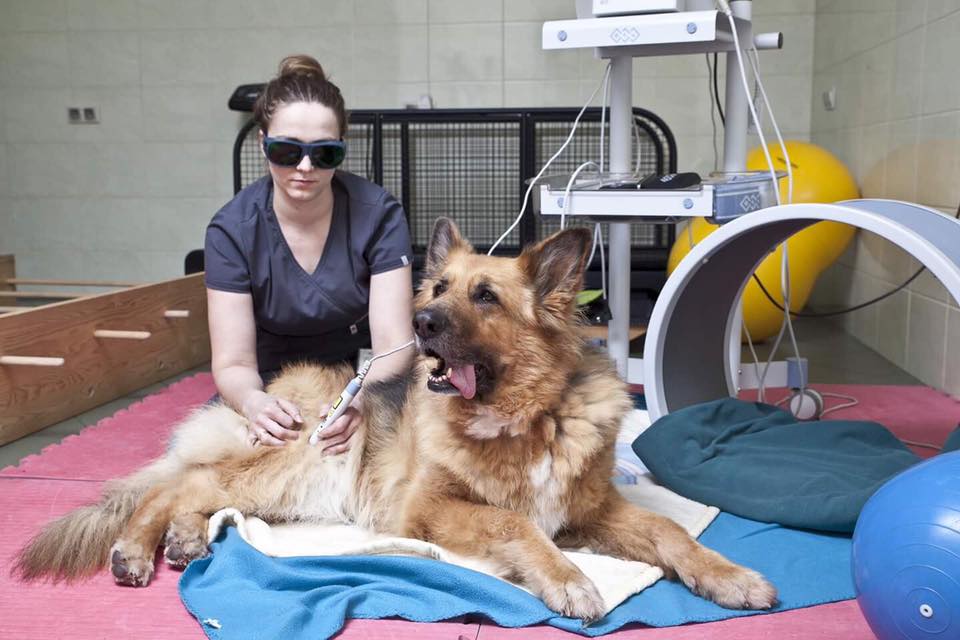
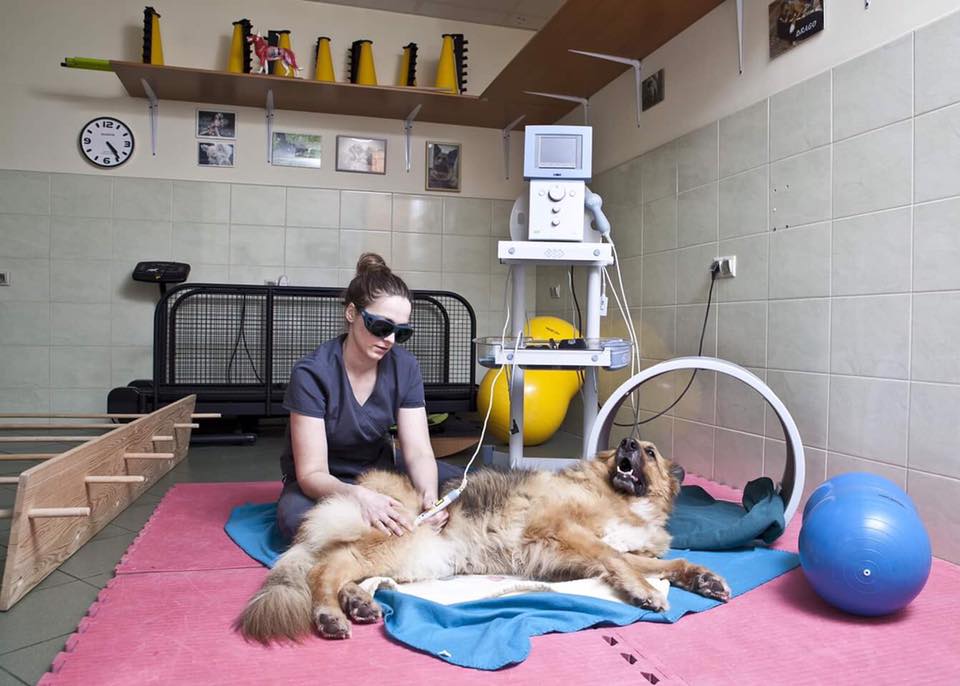
- Class 4 High-Energy Laser – provides analgesic, anti-inflammatory, and biostimulating effects; accelerates tissue healing.
- Shockwave Therapy (ESWT) – effective in the therapy of chronic pain states, enthesopathies, calcifications, and difficult-to-heal injuries – stimulates regeneration and has anti-inflammatory effects.
- Ultrasound – used for contractures, scars, and inflammations.
- Electrotherapy (TENS/NMES) – for pain relief and stimulation.
Manual and Supportive Therapies:
- Manual Therapy (mobilization, muscle relaxation) – used to improve joint mobility, reduce muscle tension, and eliminate pain-related compensatory patterns.
- Fascial and Instrument-Assisted Therapy – techniques for working on the deep layers of soft tissue, helping to reduce movement restrictions and chronic tension.
- Scar Therapy – improves the flexibility and function of post-operative tissues and helps prevent contractures and impaired nerve conduction.
- Taping – application of elastic therapeutic tapes to support stabilization, reduce swelling, and support muscle and joint function.
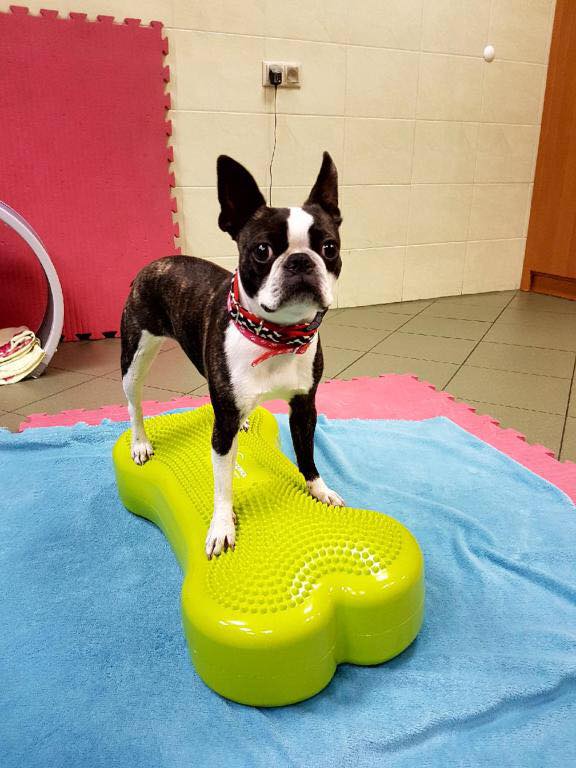
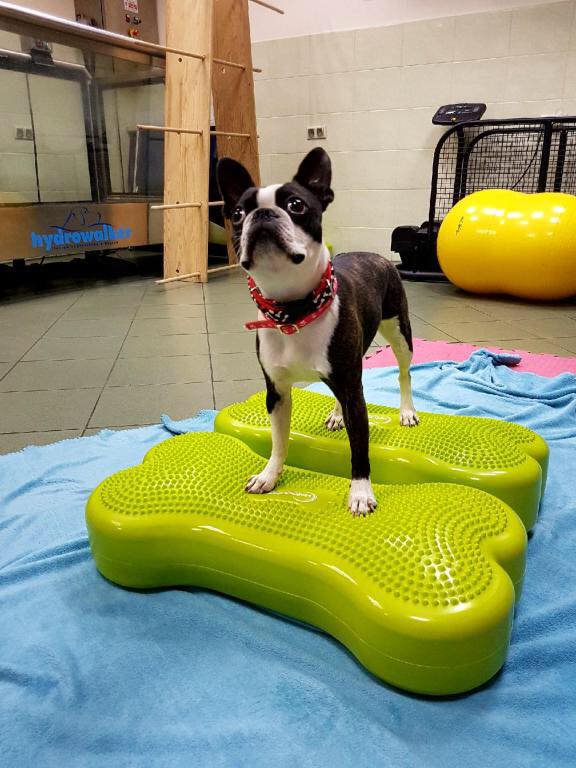
- Kinesitherapy (passive, active, active-passive exercises) – targeted movement exercises tailored to the stage of treatment, aimed at rebuilding muscle strength, coordination, and proprioception.
- Post-injury Kinesitherapy – a planned physiotherapy program aimed at restoring limb function after injury or overuse, often combined with physical therapy.
Our Specialized Programs:
✔ Post-injury Management:
Individual guidance after injuries – diagnostics, exercises, physical therapy, and prevention of recurrence.✔ Geriatric Dog Fitness:
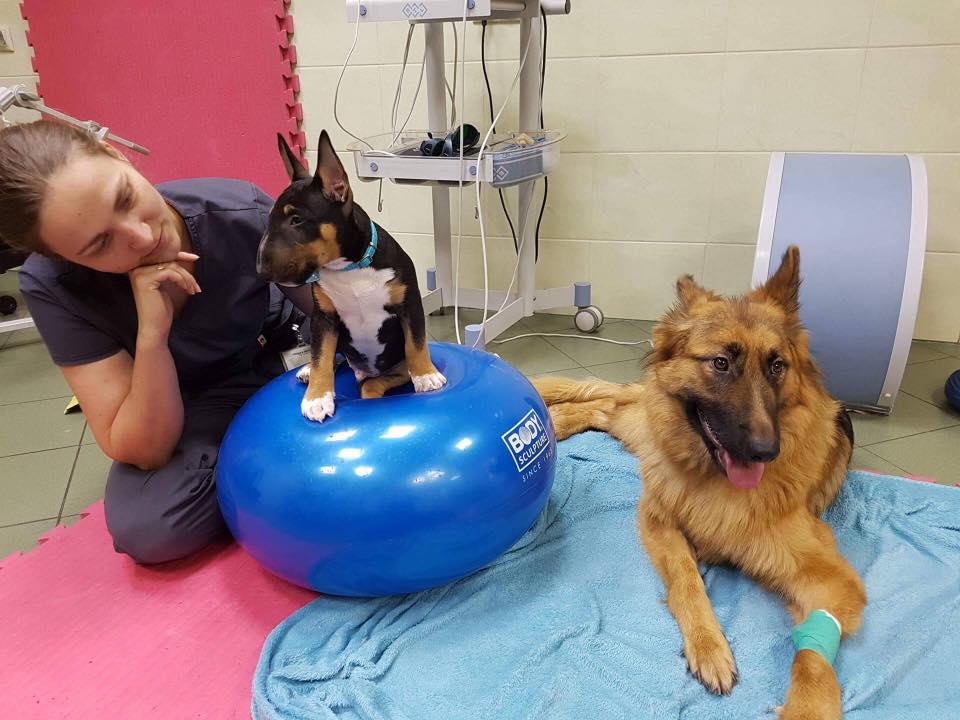
Safe strengthening of muscles, balance, and coordination in older dogs, helping to slow the aging process and improve quality of life.✔ Puppy Classes:
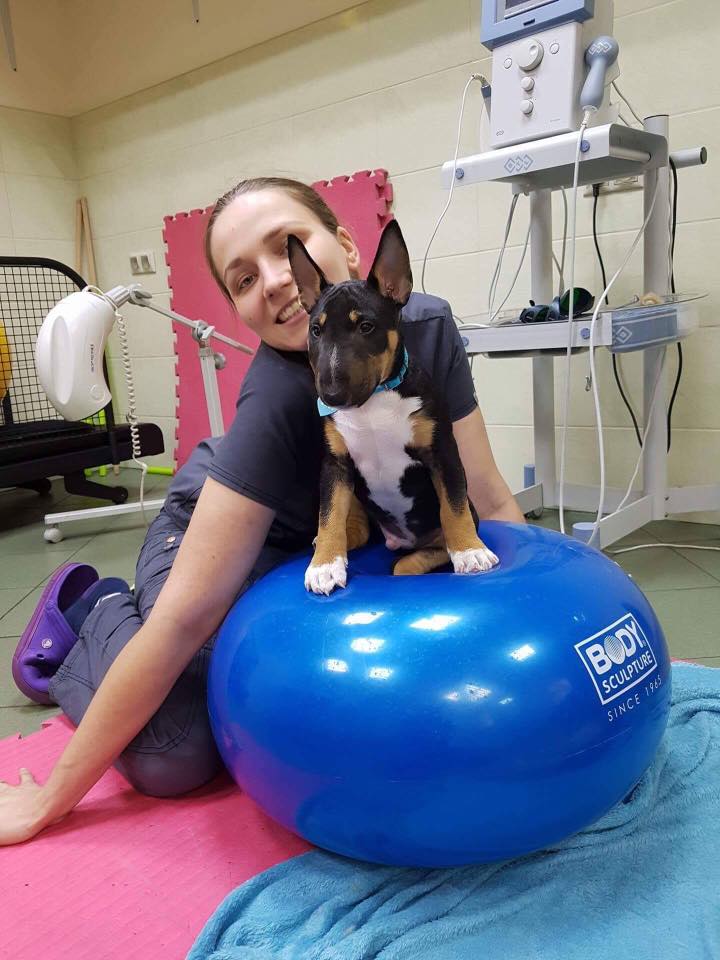
Early orthopedic and neurological prevention – learning correct movement and healthy habits.✔ "Get Your Dog Moving" Program:
Ideal for dogs that need preparation for an active season (e.g. spring/summer), improved conditioning, or better overall fitness after winter or a break in activity.✔ Dietary Program – support for obesity treatment and nutrition optimization
Managed by our veterinary nutritionist, it includes nutritional status analysis, establishing an individual nutritional plan, and ongoing monitoring of progress – especially recommended for overweight dogs, dogs with chronic diseases, or dogs undergoing physical rehabilitation.✔ Rehabilitation Stays
A specially created program for dogs requiring all-day care (especially those with mobility or urination problems) and intensive rehabilitation. The rehabilitation plan is established individually according to the patient's needs.Where can you find us?
Klinika dla Małych Zwierząt Wąsiatycz (Wąsiatycz Small Animal Clinic) – Rehabilitation Department
🖈 Poznań, ul. Mieszka I 18
☎ Tel. 519 446 152
✉ lp.tewnilkajcatilibaher➤ Follow us on Facebook: Rehabiltacja Małych Zwierzat Wąsiatycz and on Instagram: Rehabilitacja Wąsiatycz
Contact us
The clinic is open 24/7
Phone Numbers: 61 823 09 97, 61 828 56 01, SMS 799 448 116
e-mail: lp.tewnilkajcpecer
Veterinary Cardiologist - Poznań | Veterinary Ophthalmologist - Poznań | Veterinary Dermatologist - Poznań | Veterinary Neurologist - Poznań | Veterinary Surgeon - Poznań | Veterinary Hematologist - Poznań | Veterinary Endocrinologist - Poznań | Veterinary Orthopedic Surgeon - Poznań | Veterinary Gastroenterologist - Poznań | Veterinary Dentist - Poznań | Veterinary Geriatrician - Poznań | Veterinary Urologist & Nephrologist - Poznań
 This site uses cookies for functional and statistical purposes